EJA has an established reputation for creating sensitively built work that successfully engages with the nuances of Southeast Asian cities, bringing an accumulated richness of expression to projects. Projects are informed by the desire to root them to place by exploring the potential of form, material, and construction, and a concern for the environmental, social, and economic aspects of sustainability.
.
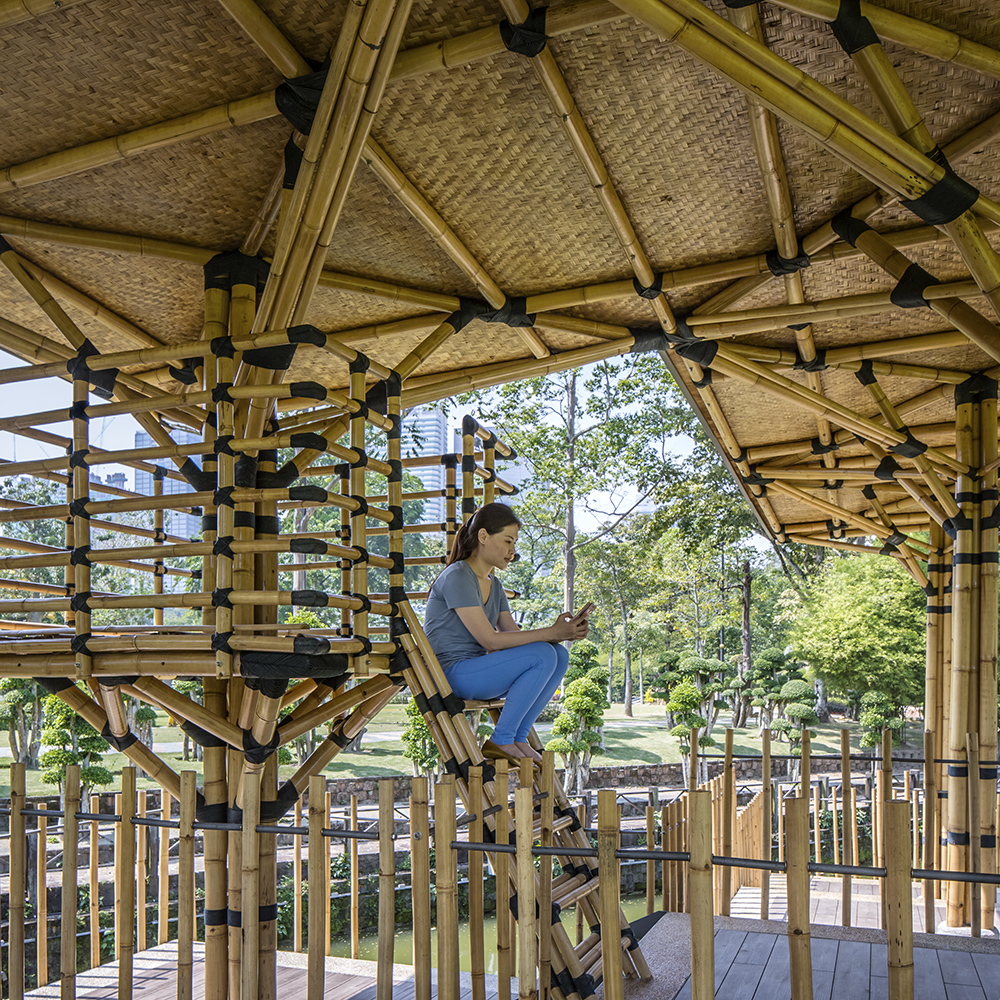
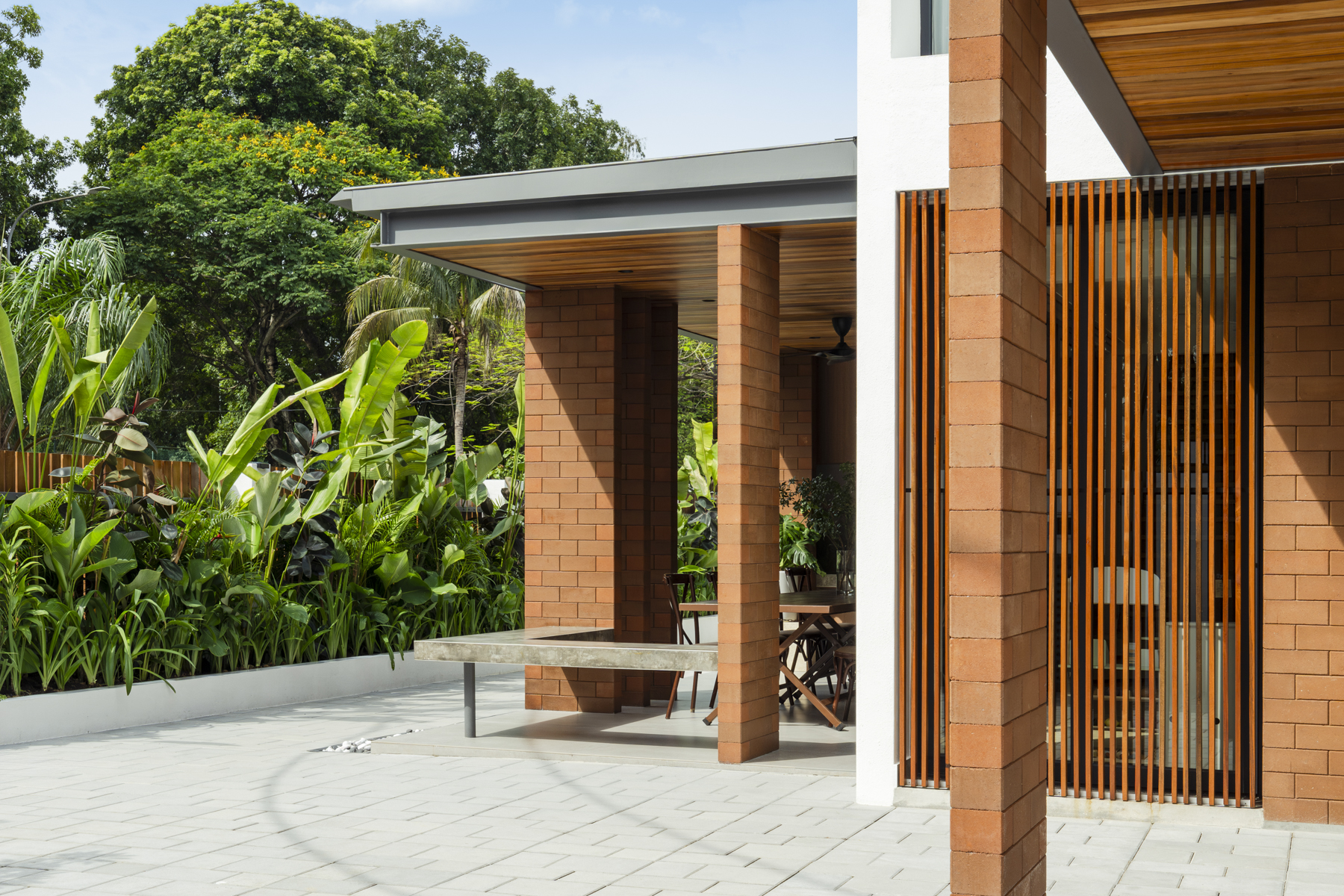
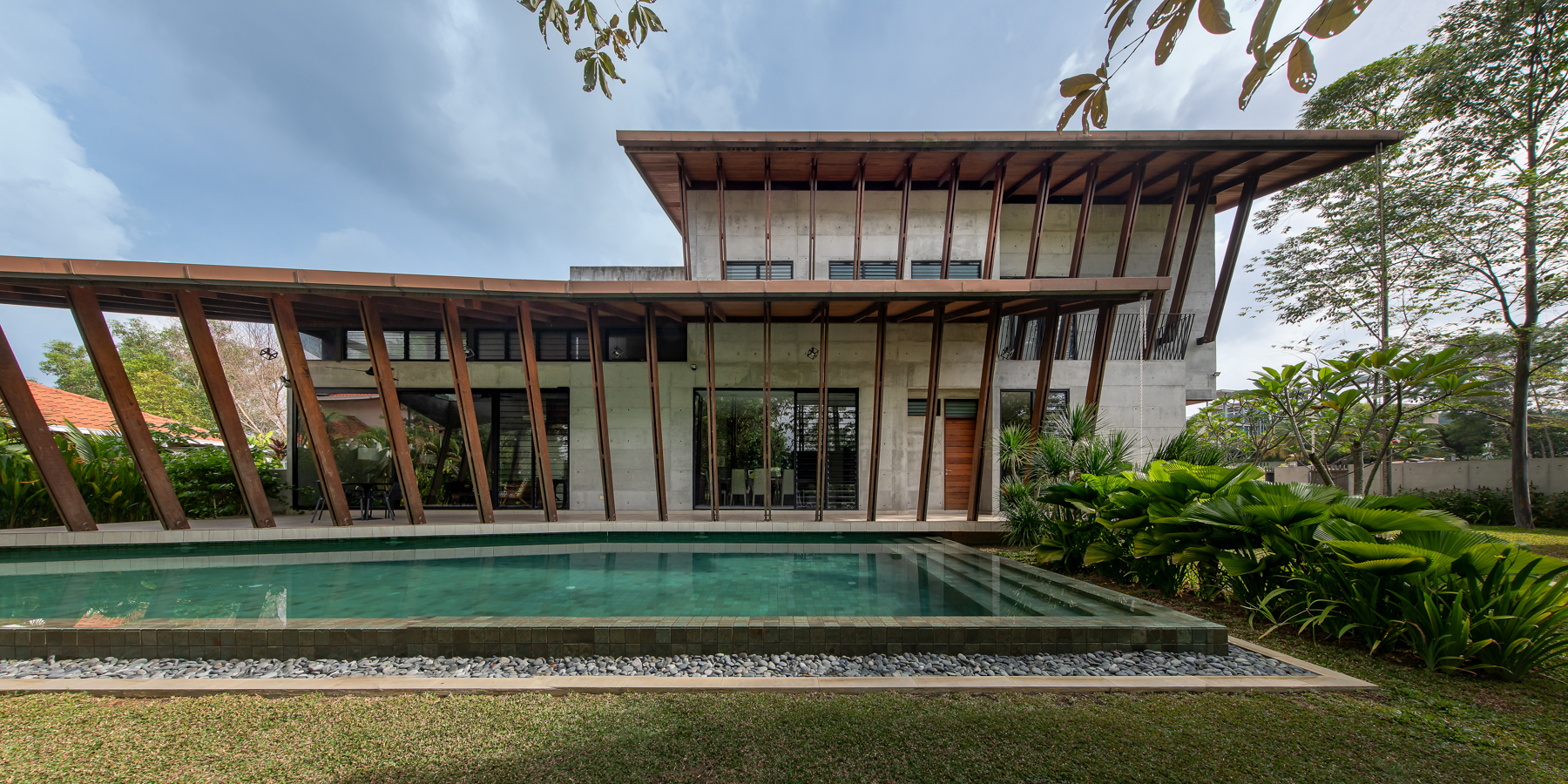
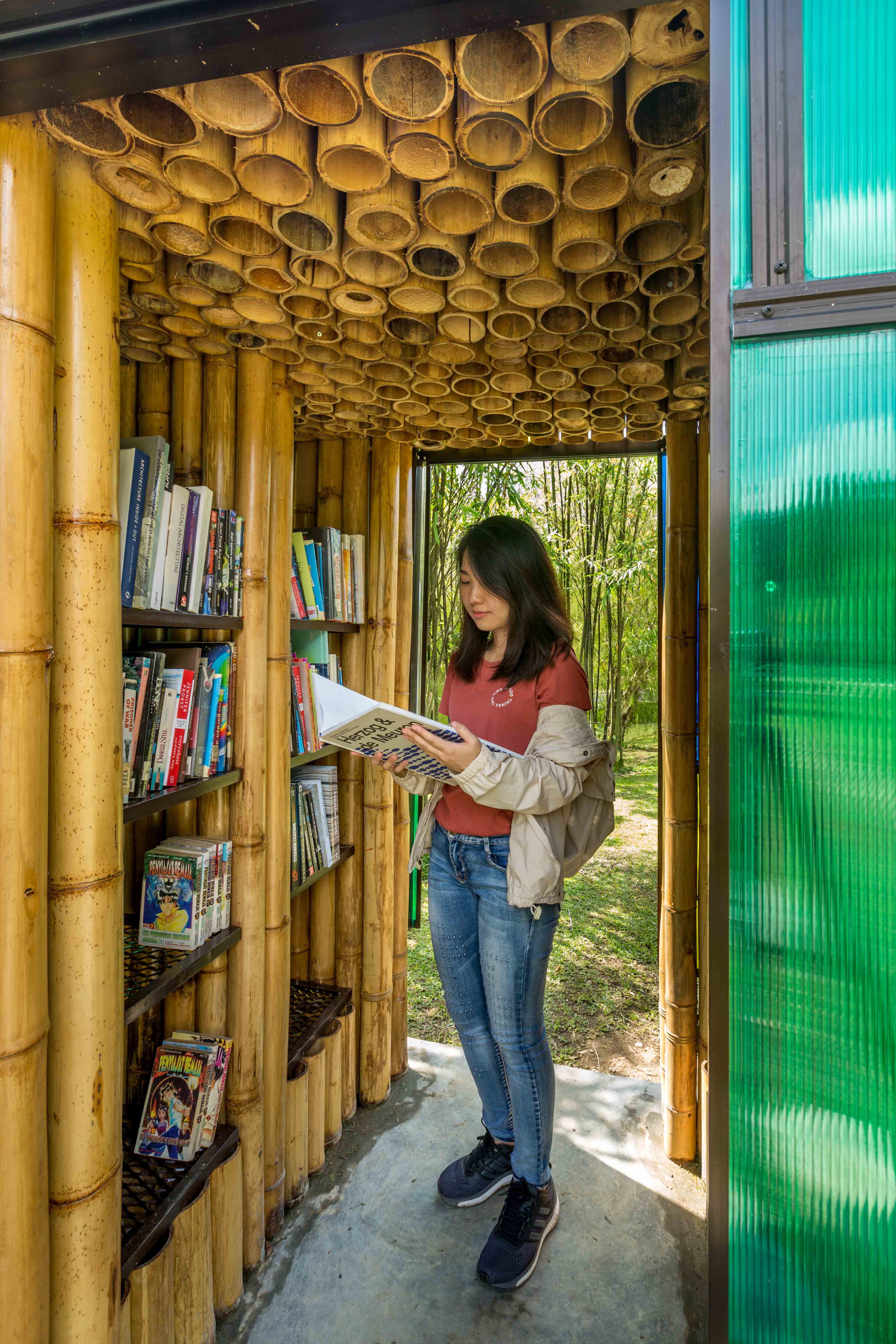
We are informed by typologies that are found within our local context, where environmental control is provided by natural ventilation, and lighting is, in large part, natural.
The cultural continuity and environmental awareness
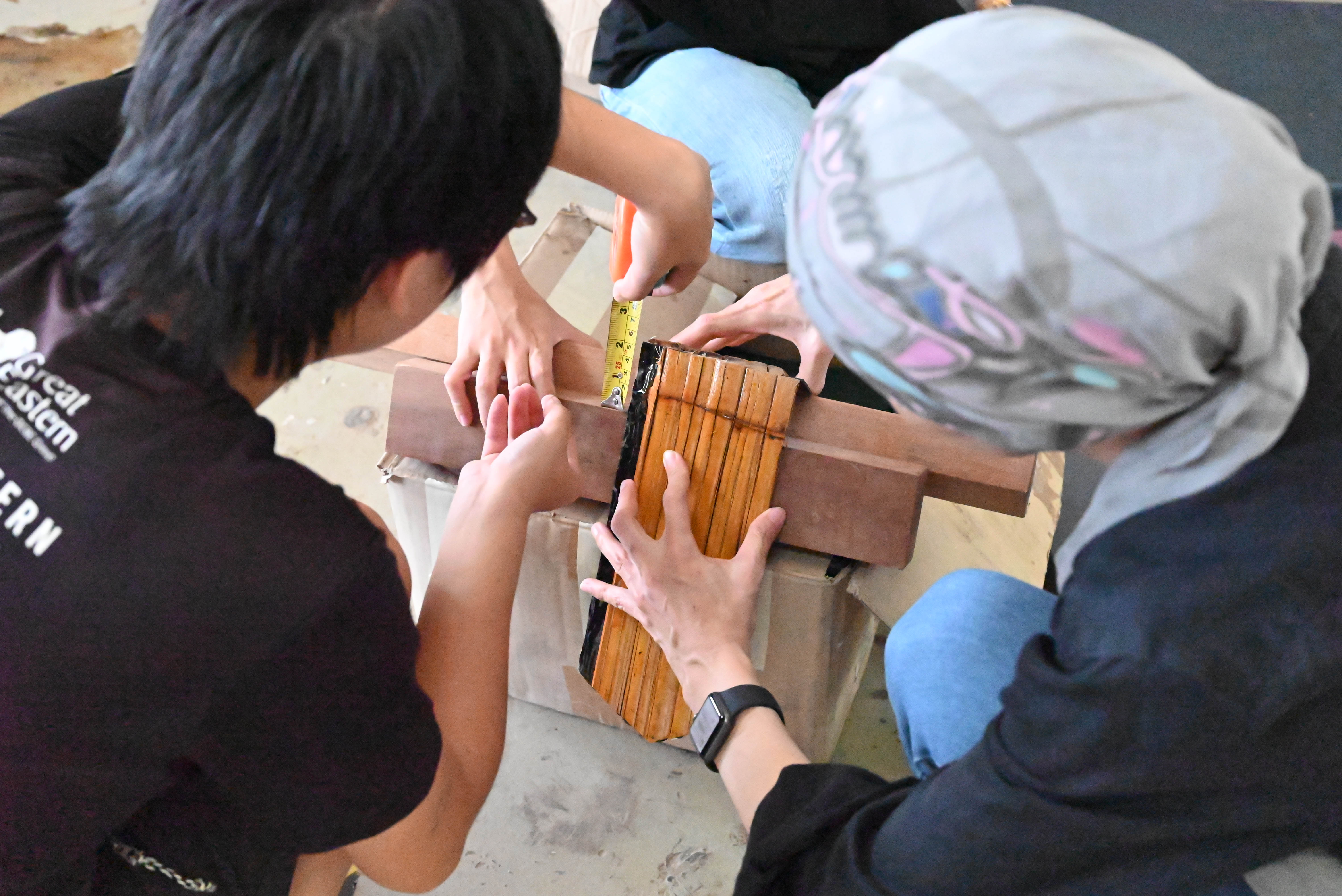
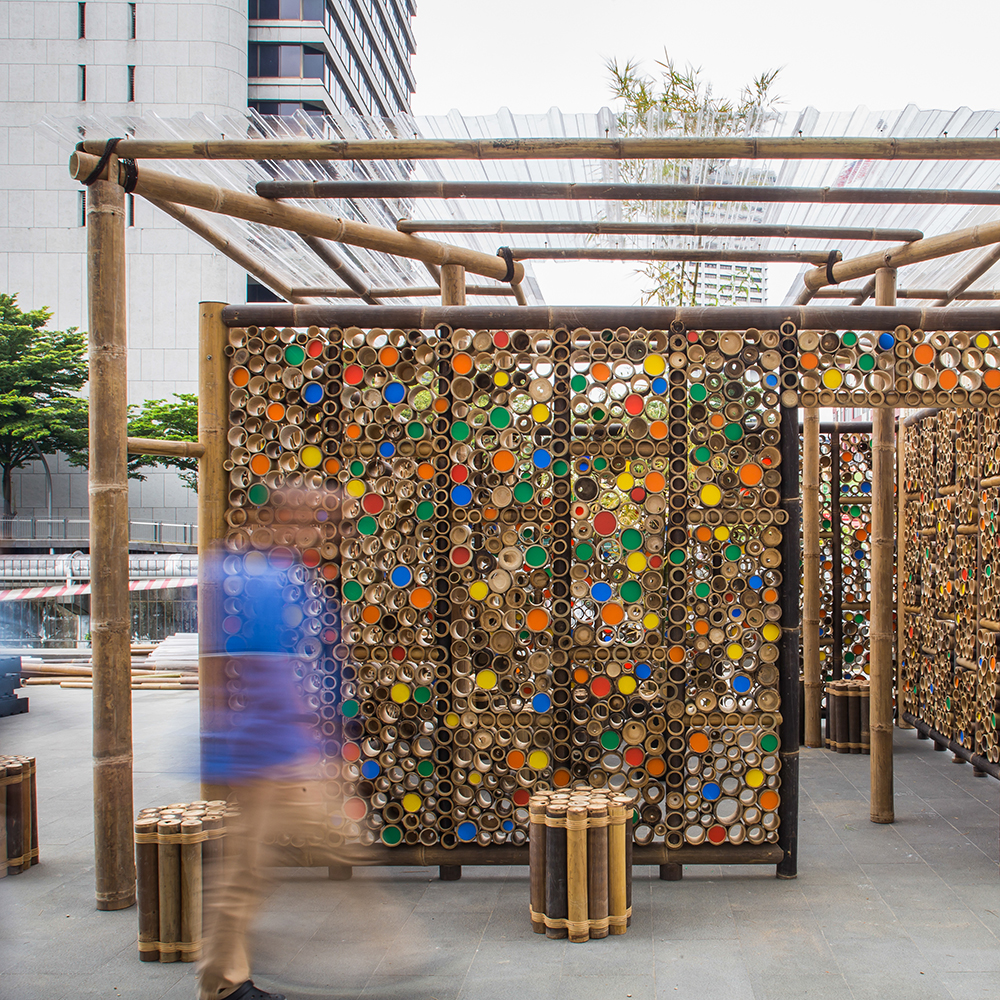
embodied in a form of making that is rooted in local methods, offers us valuable insights into reimagining modern building practices. The making process involved in our timber and bamboo pavilions shapes form and construction beyond the aesthetic dimension, and allows us to tap into the skills and knowledge of traditional makers. Working in such a manner enriches architecture and catalyses a more profound social and cultural engagement between architect, maker, building user and the public realm.

Recent News


ABOUT MAKING
“About Making” is a collaborative project that explores different aspects of “making” in art and architecture while carrying forward the materials and processes of traditional and modern craft in a cross-cultural and cross-disciplinary context.

ESSENCE OF PLACE: MAKING LOCAL ARCHITECTURE
The first book on our practice’s work, published by UK-based Artifice Press is now available for purchase! We would like to thank Dean Hawkes – architect, writer, researcher and teacher – for writing a foreword for the book.
Essence of Place: Making Local Architecture emphasises the importance of rooting projects to place by way of exploring the experiential potential of form, material and construction and a concern for the environmental, social and economic aspects of sustainability. This book contains images of our work as well as essays by Eleena on the motivations behind, and influences on, her practice – including the importance of place and the vernacular local architecture of Malaysia – and how her work is situated within context-based design as a whole.
The book is divided into six sections to describe the motivating ideas and different aspects of her practice’s concern. Each section begins with an essay written by Eleena to set the background for built case study projects. The essays are titled Grounding Architecture, About Making, Bamboo, Typology and Environment, the Outdoor Room and Connective Possibilities.
Purchase a copy for RM185 directly from us, including free shipping within Malaysia, by emailing us at admin@ej-architect.com to place your order. You can also get copies from Artifice Press UK or Suburbia Projects Malaysia.
